
EXPLORING THE BEAUTY OF IMPERFECTION: THE AESTHETICS OF WABI-SABI AND ITS APPLICATION IN HOME DESIGN
In a modern society obsessed with perfection, glamour, and opulence, an aesthetic that runs counter to these ideals—Wabi-Sabi—is quietly capturing the hearts of more and more people. It does not pursue perfection but embraces imperfection; it does not flaunt extravagance but cherishes the passage of time.
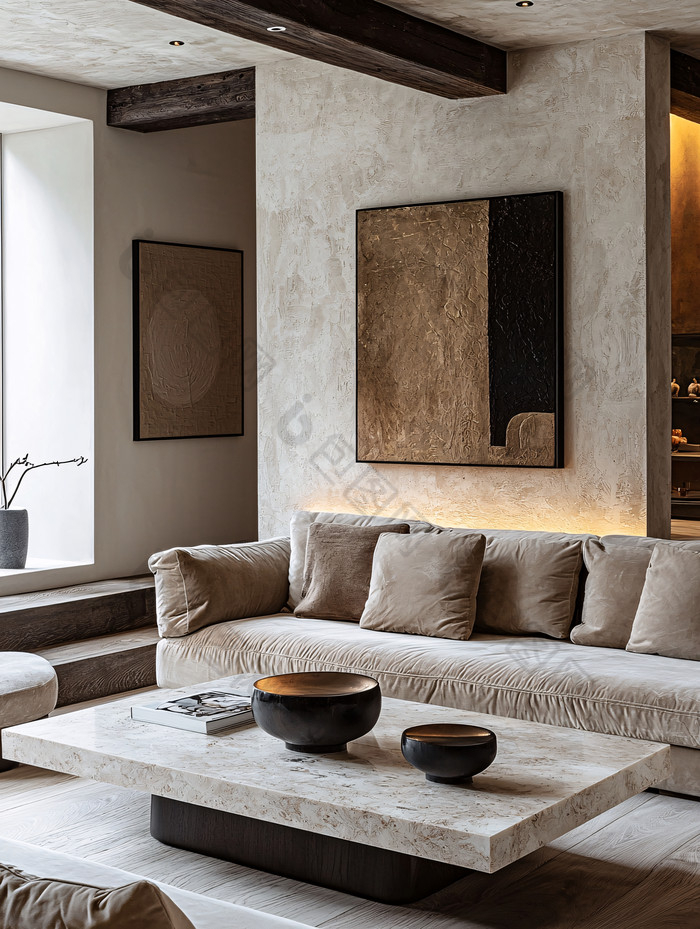
I. The Origins of Wabi-Sabi: Philosophical Reflections from the East
Wabi-Sabi is not merely a design style; it is rooted in classical Japanese philosophy, particularly Zen thought. To understand it, we must deconstruct its two core elements.
“Wabi” (侘): Originally signifying “the feeling of being isolated and destitute,” it carried negative connotations of poverty and loneliness. Yet under Zen influence, it evolved into a spiritual pursuit—finding inner richness and self-sufficiency within simplicity and imperfection. It represents a deliberate choice of austerity, seeking spiritual fulfillment amid material scarcity.
“Sabi” (寂): This signifies “the traces left by the passage of time,” the patina and character that years impart to objects. It can manifest as rust on metal, cracks in wood, or wear on pottery. It does not lament decay but quietly appreciates the natural evolution of things over time, embracing imperfection and impermanence.
Combining these two concepts, wabi-sabi forms a unique worldview and aesthetic: In this worldview, the impermanence, imperfection, and transience of life are embraced, and in this process, one experiences a humble, serene, and profound beauty. Wabi-sabi originally embodied in Japanese tea ceremonies, haiku poetry, and garden design. Tea master Sen no Rikyū perfected its spirit by advocating the use of rough, asymmetrical tea utensils and experiencing the Zen essence of “harmony, respect, purity, and tranquility” in unassuming tea rooms. Today, this philosophy has evolved into a global lifestyle and design trend.
II. Characteristics, Materials, and Design Philosophy of Wabi-Sabi Home Furnishings
1. Design Characteristics
Wabi-sabi home decor translates philosophical concepts into tangible spatial language, defined by distinct core traits:
Irregularity: Rejecting mechanical symmetry and perfection. Walls may feature uneven textures, while furniture showcases handcrafted, asymmetrical forms. Deliberately leaving traces of unfinished work—akin to the “negative space” in Chinese ink paintings—creates boundless room for imagination.
Natural and Rustic: Stripping away all unnecessary
ornamentation to let materials speak for themselves. Earthy tones like off-white, linen, taupe, and oatmeal dominate the palette, creating a soothing, warm foundation.
Appreciation of Aging: Cherish the wear, patina, and fading that objects acquire through use. A crack, a mold spot, a water stain—none are seen as flaws, but rather honored as the object's unique “life story.”
Tranquility: Minimalist spatial layout with ample negative space creates a realm of “emptiness.” This emptiness is not void but a mental pause, allowing one to settle, reflect, and attain inner peace.
2. Materials and Design Philosophy
Wabi-sabi material selection and design philosophy revolve around its core philosophy.
Materials
Natural Materials: Emphasis on raw, textured materials. Microcement serves as the soul of wabi-sabi, seamlessly enveloping walls, floors, and ceilings to create a unified cocoon. Its delicate texture and cool tactility are highly expressive. Other staples include raw wood (especially aged timber with knots and insect holes), linen, rattan, terracotta, coarse ceramics, and natural stone.
Handcrafted: A preference for handmade objects, as they inevitably bear the traces of the artisan's touch, making each piece unique. This stands in stark contrast to the flawless precision of industrial production.
Design Philosophy
The Wisdom of “Emptiness”: Design through subtraction, emphasizing “less is more.” Eliminate intricate lines and ornamentation, allowing the spatial structure itself and the interplay of light and shadow to become the most beautiful decoration.
Embracing Imperfection: The core design philosophy is to accept and appreciate the inherent flaws of all things. The renowned Kintsugi craft embodies this perfectly: repairing broken pottery with gold powder not to conceal the scars, but to highlight them as a unique beauty, symbolizing rebirth and transcendence after trauma.
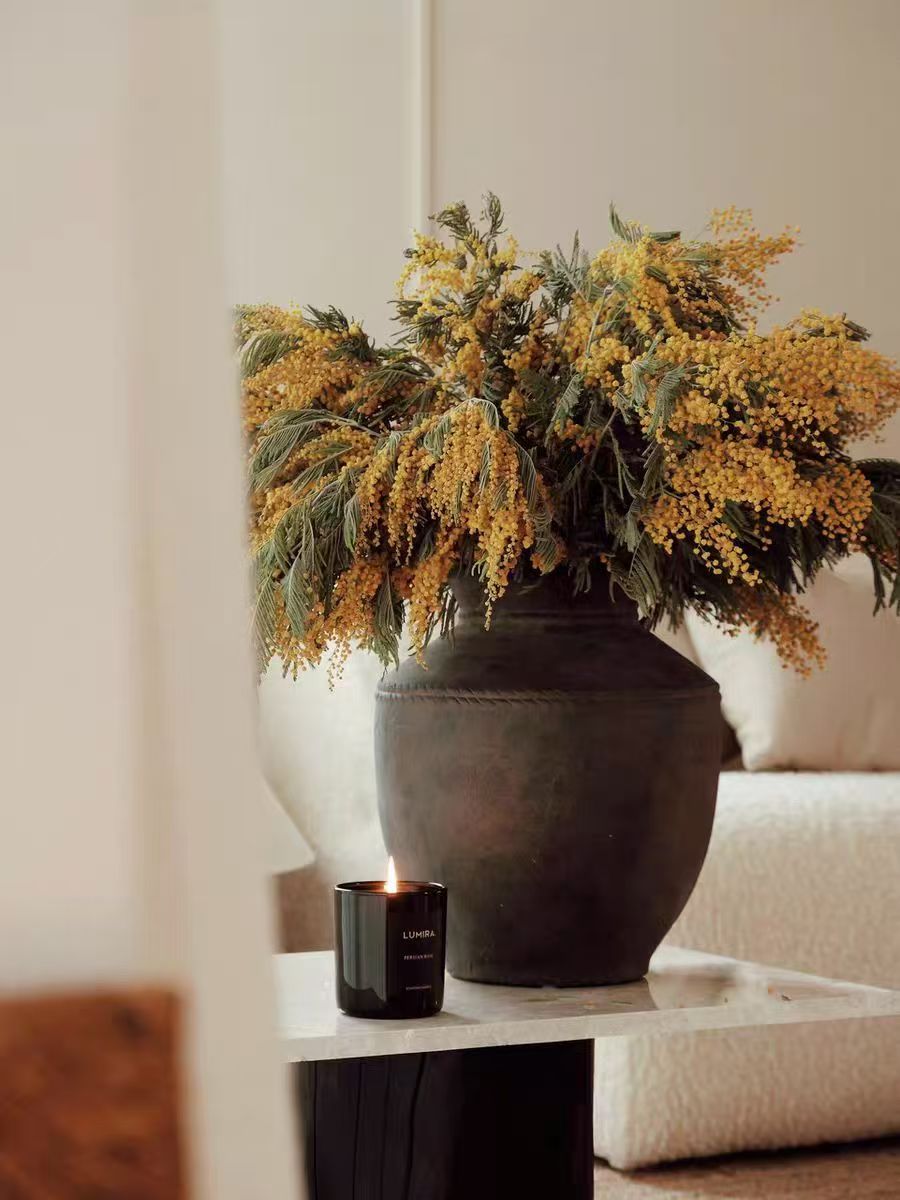
Symbiosis with Nature: Beyond using natural materials, the design seeks a dialogue between interiors and the outdoors. By introducing natural light, plants (often featuring linear elements like dried branches or greenery), and maintaining ventilation, spaces are infused with vitality, allowing occupants to experience the passage of seasons.
III. Application of Wabi-Sabi Home Decor
Wabi-sabi does not aim to create a sense of desolation or barrenness, but rather to build a spiritual sanctuary where one can shed fatigue and return to authenticity. Its application is flexible and versatile—it can serve as the dominant style throughout a space or function as an aesthetic element seamlessly integrated with other styles, infusing modern living with tranquil philosophical contemplation.
1. As the Dominant Style: Crafting a Pure Spiritual Sanctuary
When wabi-sabi reigns supreme, spaces radiate profound tranquility and ethereal simplicity.
Overall Space: Often featuring open or semi-open layouts with minimal partitions. Walls and floors predominantly use microcement for its seamless, unified texture, creating a cave-like, enveloping, and reassuring atmosphere. Colors strictly adhere to earth tones—from off-white and oatmeal to taupe—forming gentle, soothing visual transitions.
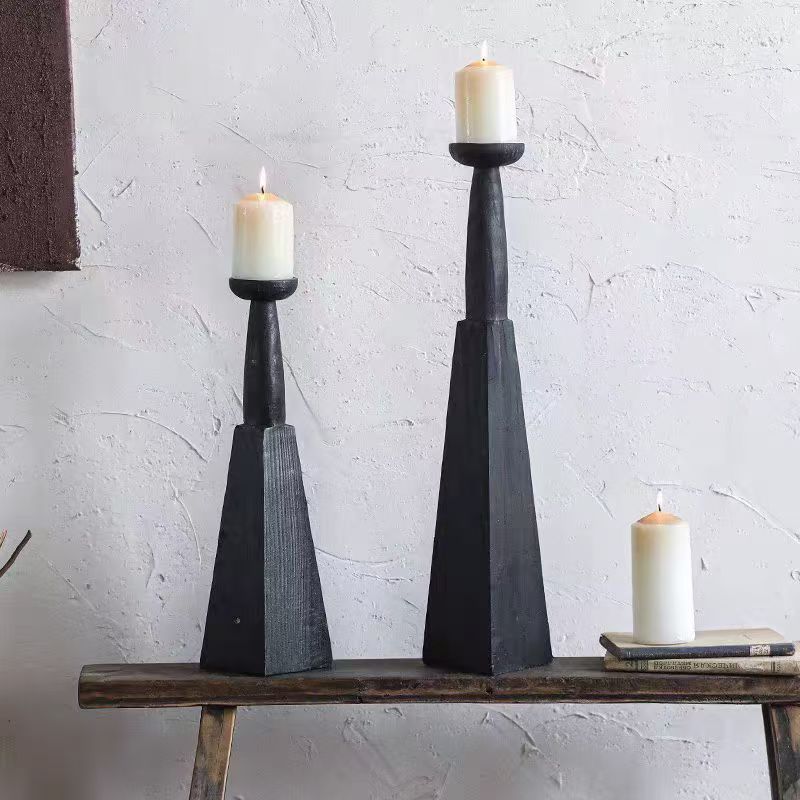
Light and Shadow Magic: Eschewing direct, intense main lighting, it commonly employs a design without a central light fixture. Light diffuses through concealed strips, warm niches, and minimalist paper or clay lamps, casting rich yet soft patterns across textured walls. Light and shadow themselves become the space's most captivating adornment.
Soulful Accents: Furniture is sparse and low-profile—a handcrafted linen sofa, an aged wooden coffee table. Decorative pieces must carry a story: a pottery bowl bearing kintsugi repairs, a gnarled dried branch, a weathered antique mirror. These objects, with their unique beauty in imperfection, become focal points narrating tales of time.
2. Blending with Modern Minimalism: Infusing Rationality with Warmth
Pure modern minimalism can sometimes feel overly austere and rational. Incorporating wabi-sabi elements adds just the right touch of human warmth and the texture of time.
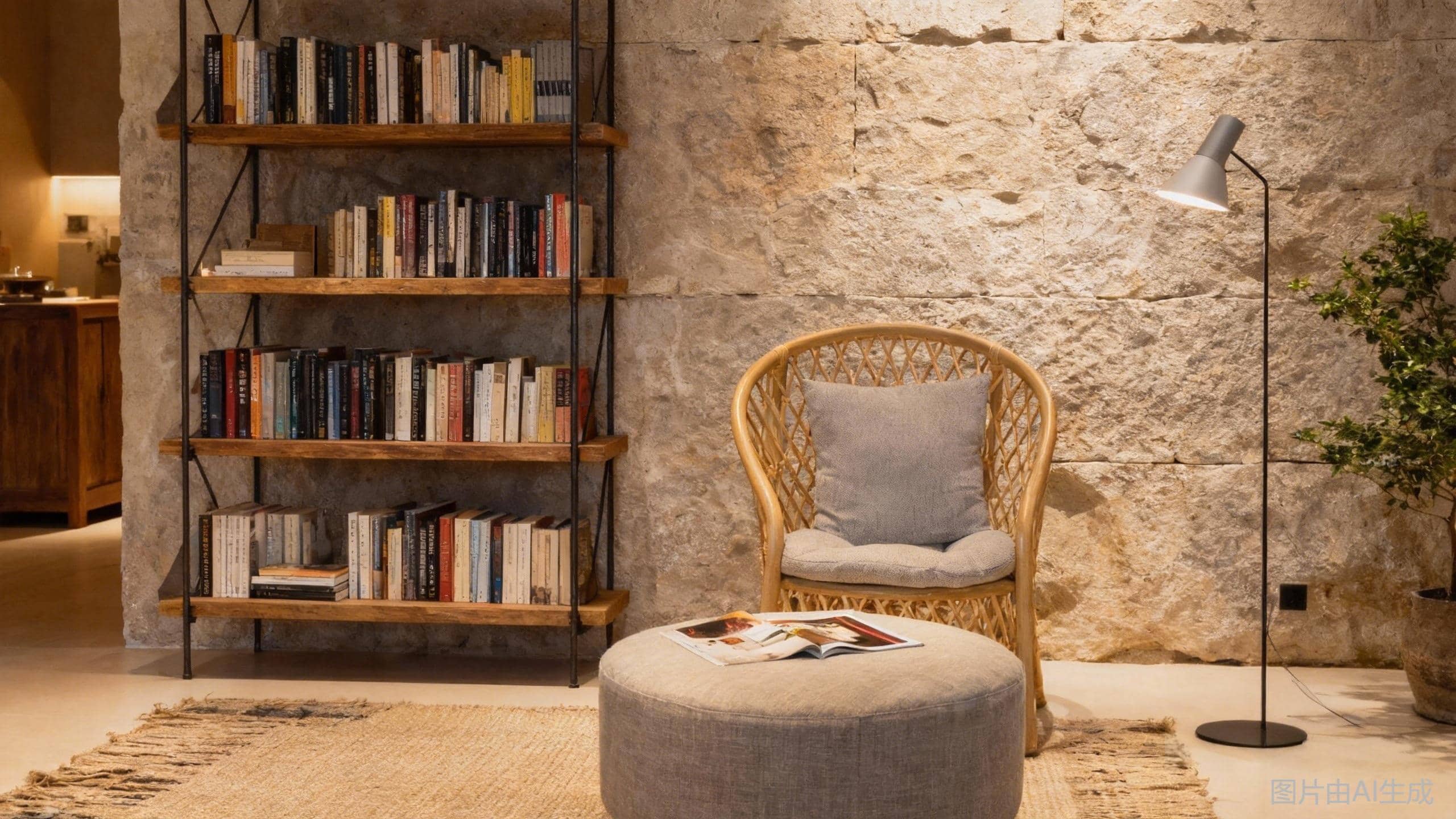
Application: While maintaining the clean lines and functionalism of modern minimalism, replace or mix cold metals and glass with natural materials. For instance, iron bookshelf with a rattan sofa; lay a linen rug bearing hand-woven traces beneath clean white walls.
Effect: While maintaining crisp orderliness, the space gains warmth and vitality through the textures of natural materials and the artisanal feel of wabi-sabi objects, avoiding the sterile detachment of a “showroom.”
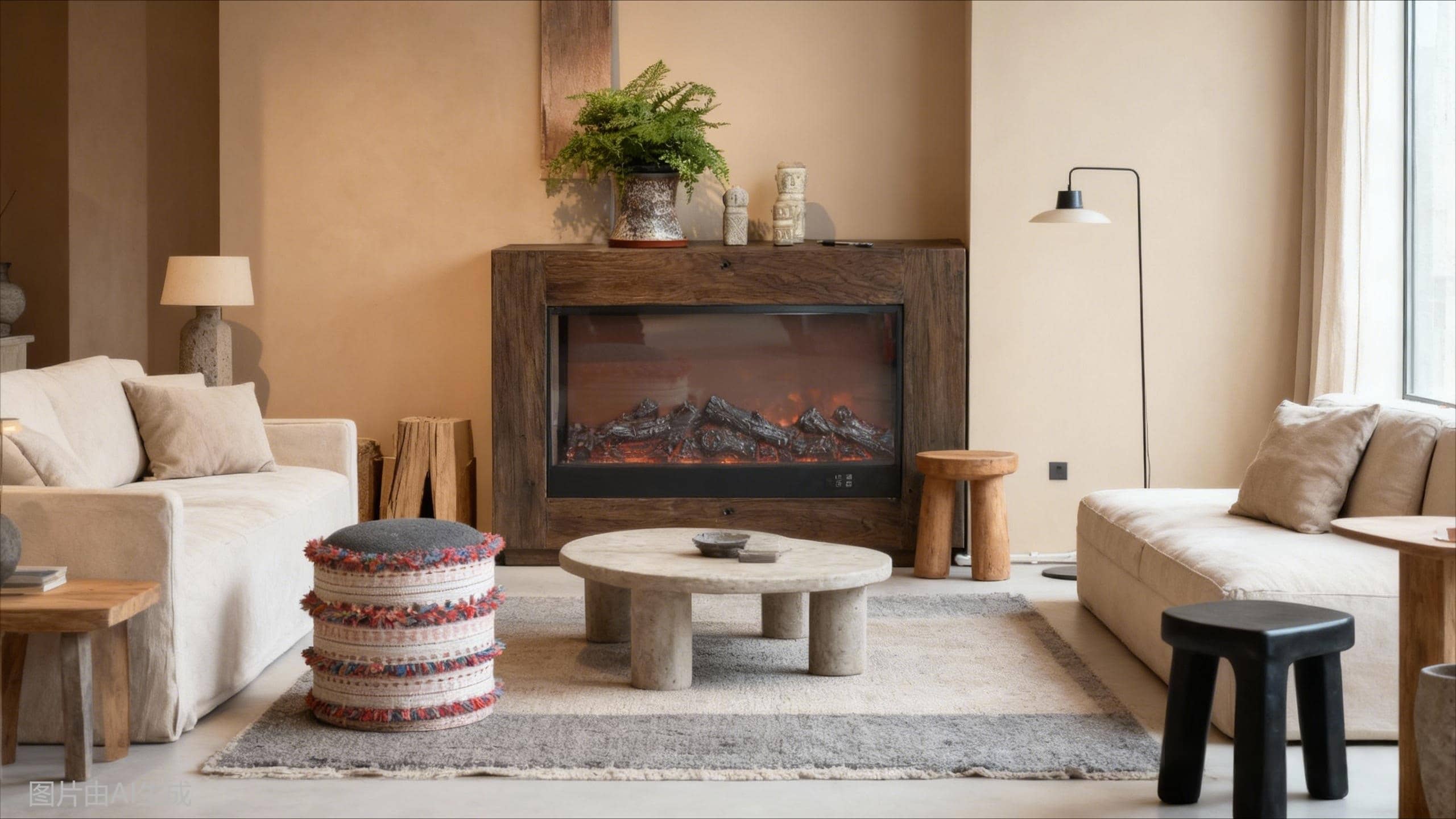
3. Blending with Nordic Style: From Naturalism to the Philosophy of Time
Both Nordic and wabi-sabi styles embrace nature, but the former leans toward freshness, brightness, and practicality, while the latter emphasizes the beauty of tim e's patina and imperfection.
Application: Retain functional Nordic furniture and some bright tones, but apply “distressed” and “aged” treatments. Replace natural wood floors with smoky oak in deeper, rougher textures; swap vibrant fabric sofas for neutral-toned linen or cotton-linen blends; opt for dracaena, ferns, or dried flowers over bright foliage for greenery.
Effect: While retaining the cozy comfort of Nordic style, the space gains a seasoned composure and calmness, enhancing its depth and character.
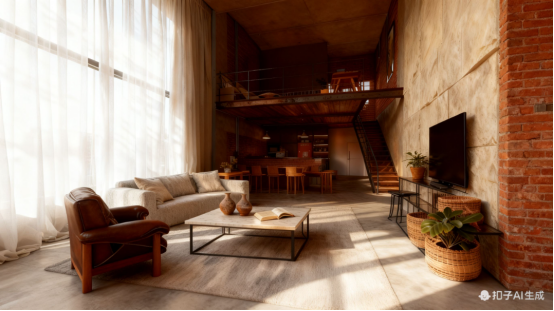
4. Blending with Industrial Style: Softening the Edge, Adding Depth
The ruggedness and exposed elements of industrial style share a kinship with the raw, weathered quality of wabi-sabi. However, industrial style often feels overly harsh and dominant.
Application: Against industrial backdrops of red brick walls and concrete beams, incorporate abundant warm wood pieces, soft linen textiles, and handmade pottery. Balance the space's coolness with a massive old wooden table; soften exposed steel structures with heavy, plush linen curtains.
Effect: Wabi-sabi elements successfully infuse the industrial space with human warmth and lived-in comfort, transforming it from an “unfinished warehouse” into a “story-filled, livable art space.”
Blending Insights: The essence of wabi-sabi lies in its core philosophy, not literal replication. When integrating with other styles, focus on capturing its core elements—natural materials, handcrafted textures, neutral tones, and embracing the marks of time. Selecting one or two elements as focal points can significantly elevate a space's artistic quality and spiritual depth.
Wabi-sabi transcends mere design; it embodies a way of life. It teaches us to appreciate the ordinary, embrace impermanence, and find beauty in imperfection amidst a restless world. When our homes are infused with this philosophy, they become more than physical containers—they evolve into spiritual sanctuaries where we can connect with our inner selves, returning to tranquility and authenticity.
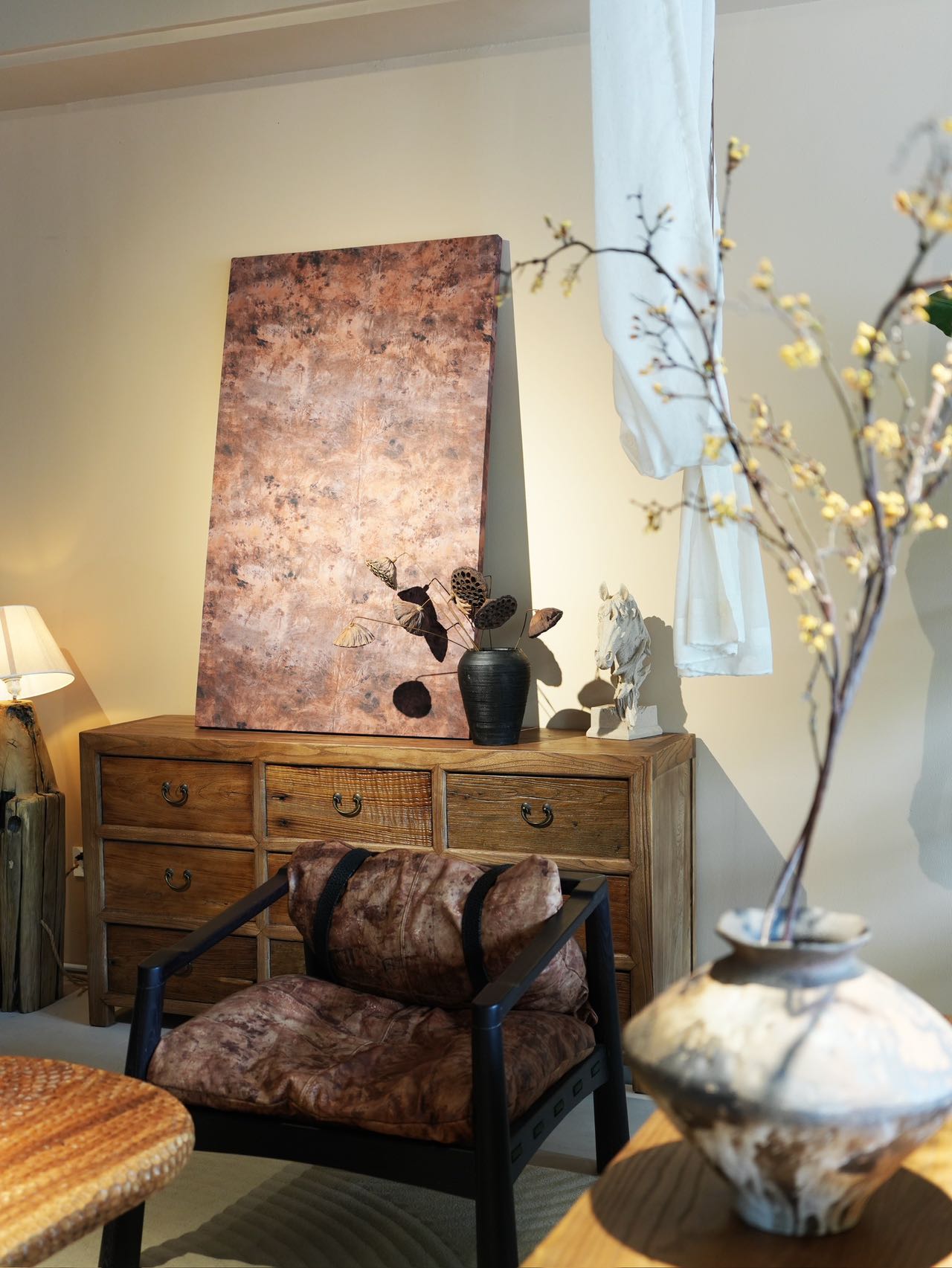

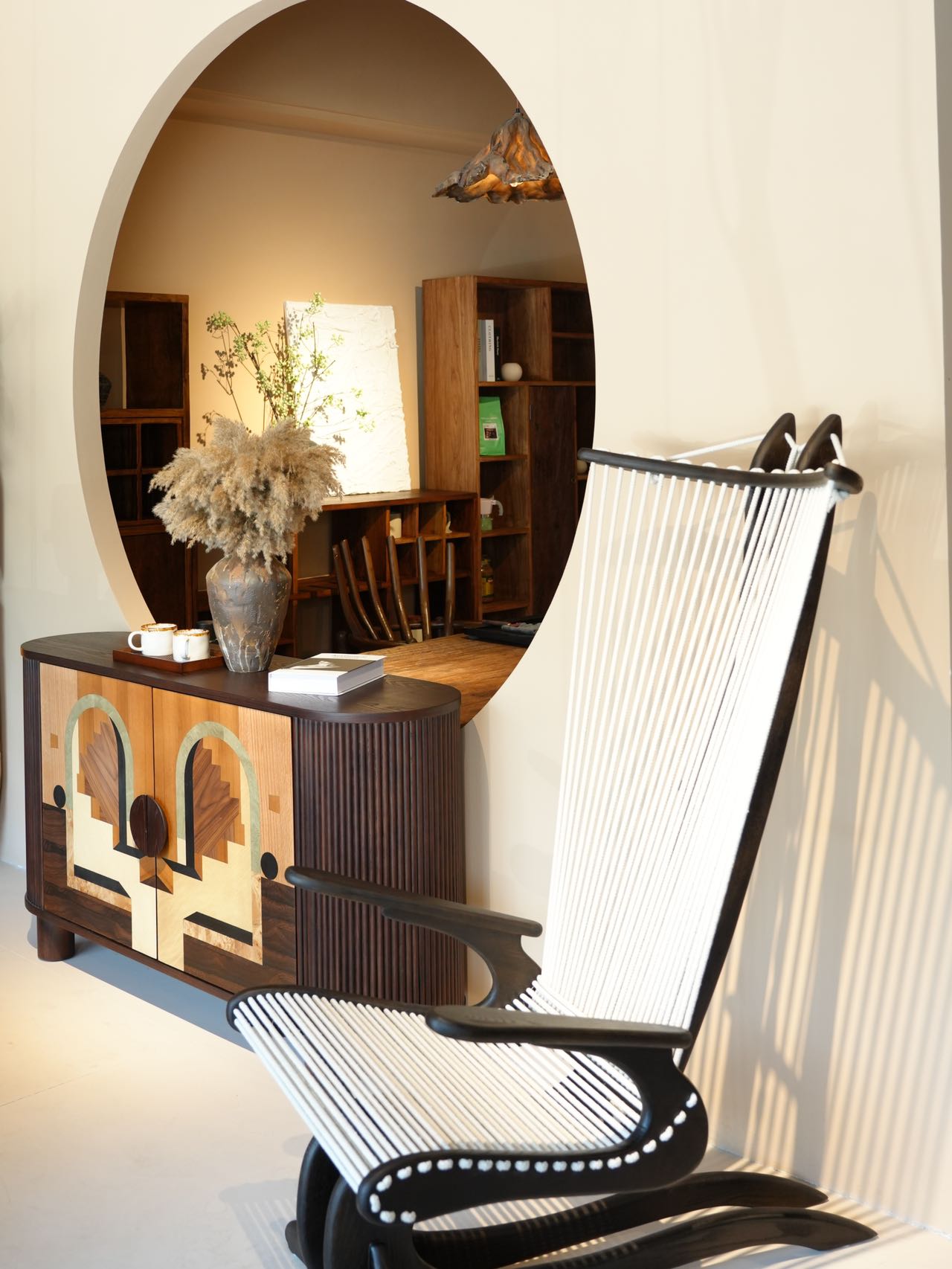
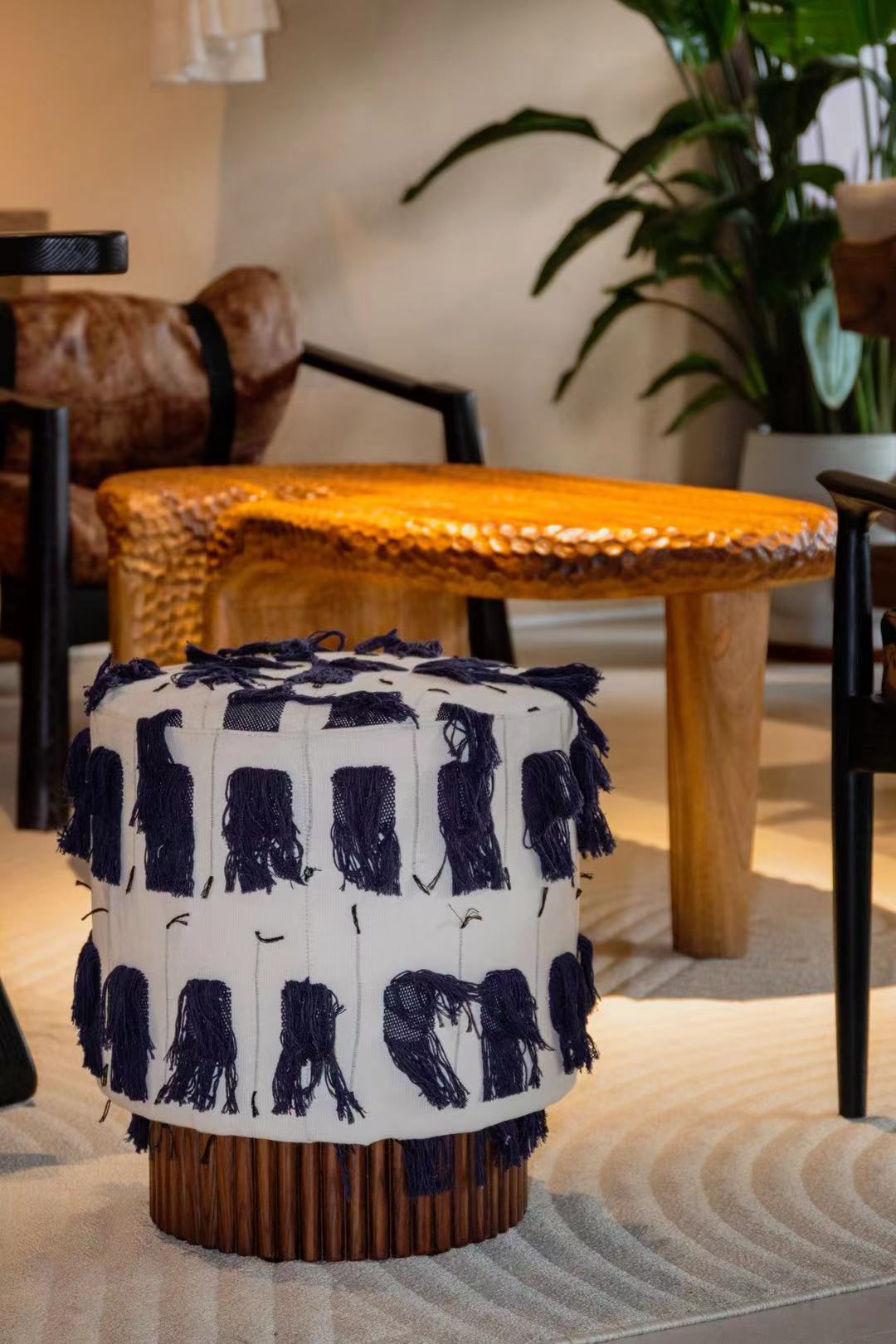
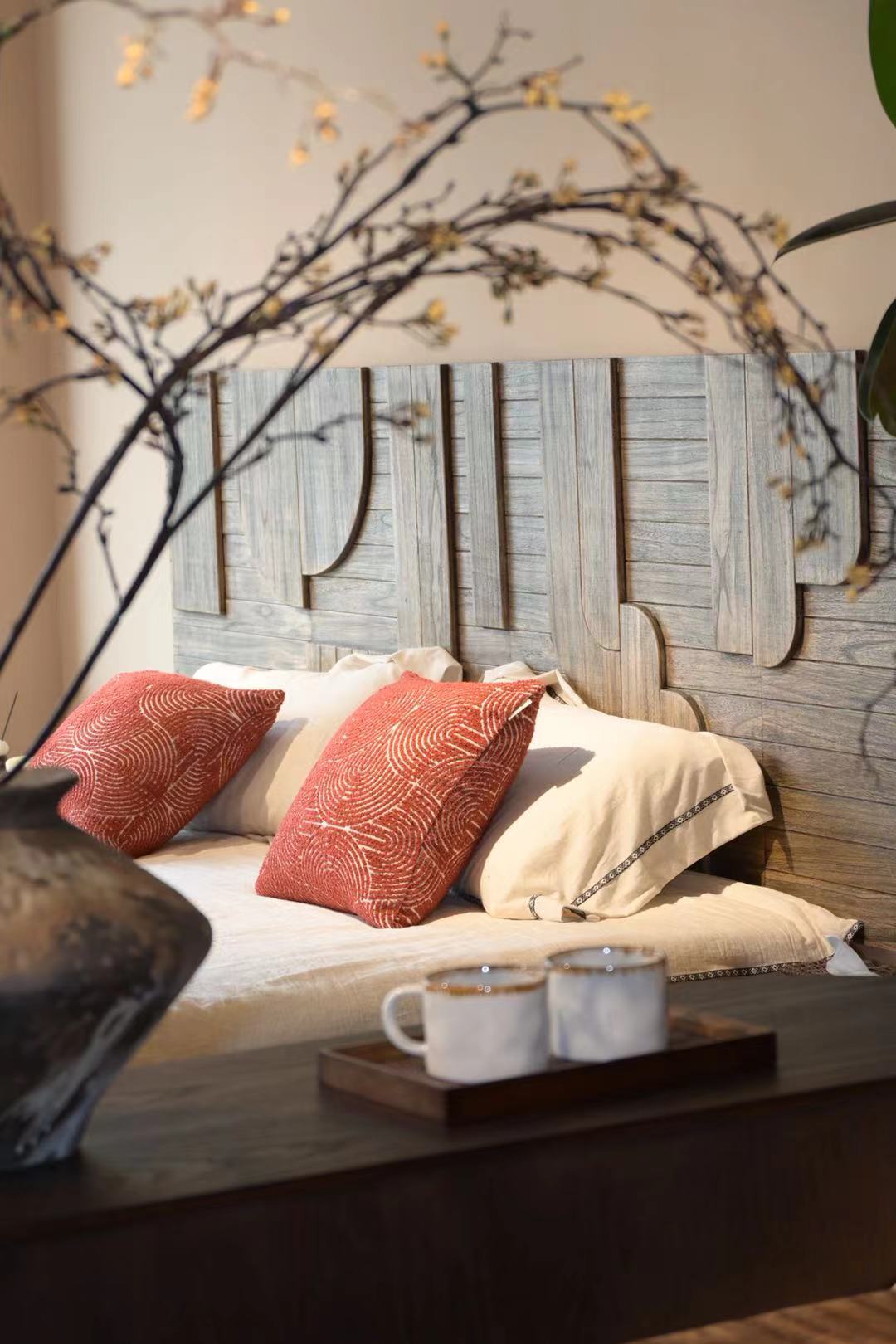
Products showcased by [Foshan Shumu Aesthetics Furniture Co., Ltd.]
One wood, one narrative; dwelling in aesthetics.
The minimalist restraint of wabi-sabi and the understated elegance of vintage styles converge to create a serene, contemplative atmosphere. This aesthetic transcends mere retro revival, blending traditional elements with contemporary sensibilities to craft living spaces that embody Eastern charm while embracing modern comfort. Weathered old wood serves as the primary material. Each grain in this time-honored timber bears witness to the passage of years, every knot a gift from nature. At Shumu Aesthetics, we craft not merely furniture, but heirloom-worthy art. Every piece embodies the artisan's dedication, narrating tales of time, life, and beauty.
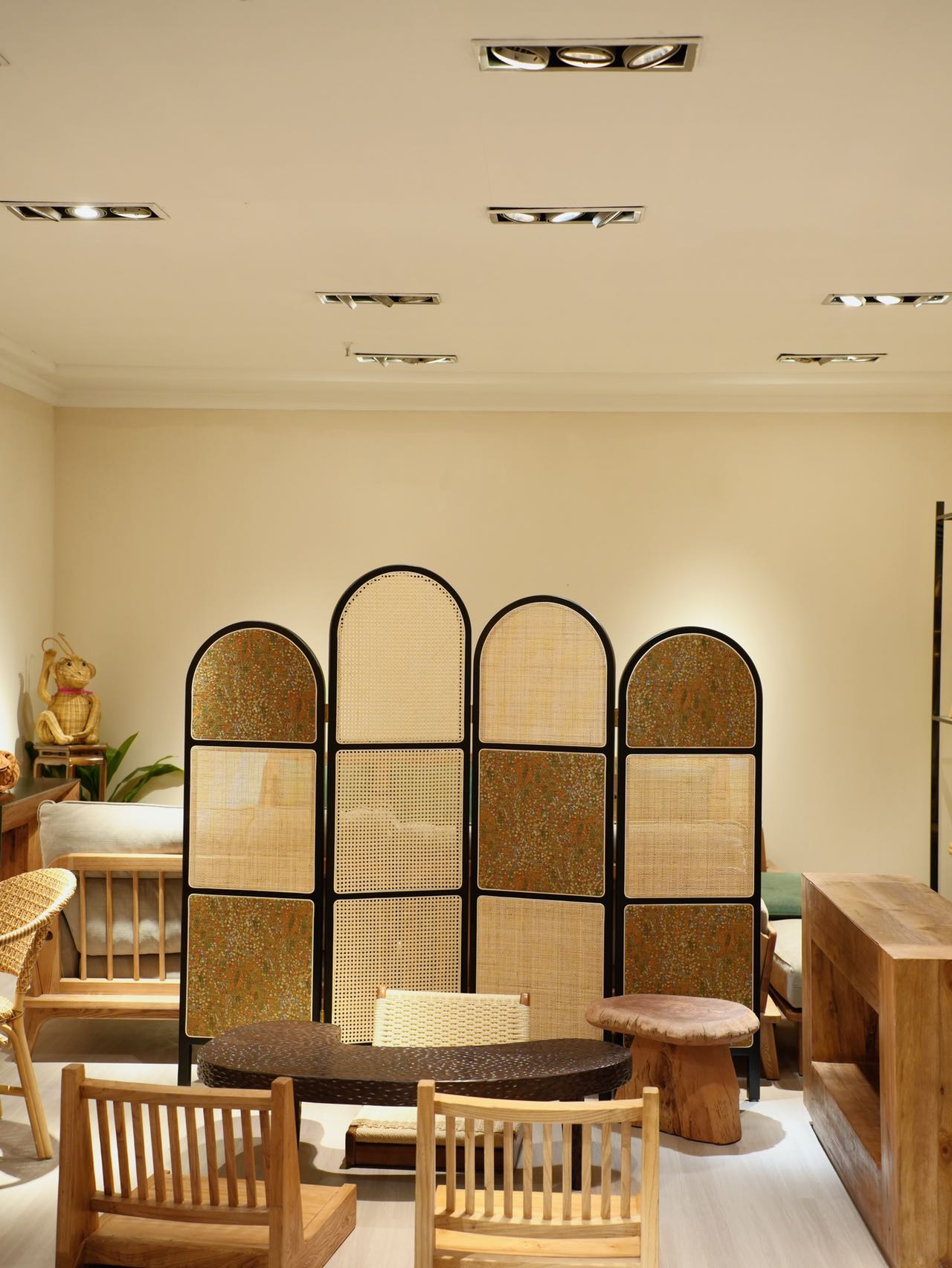
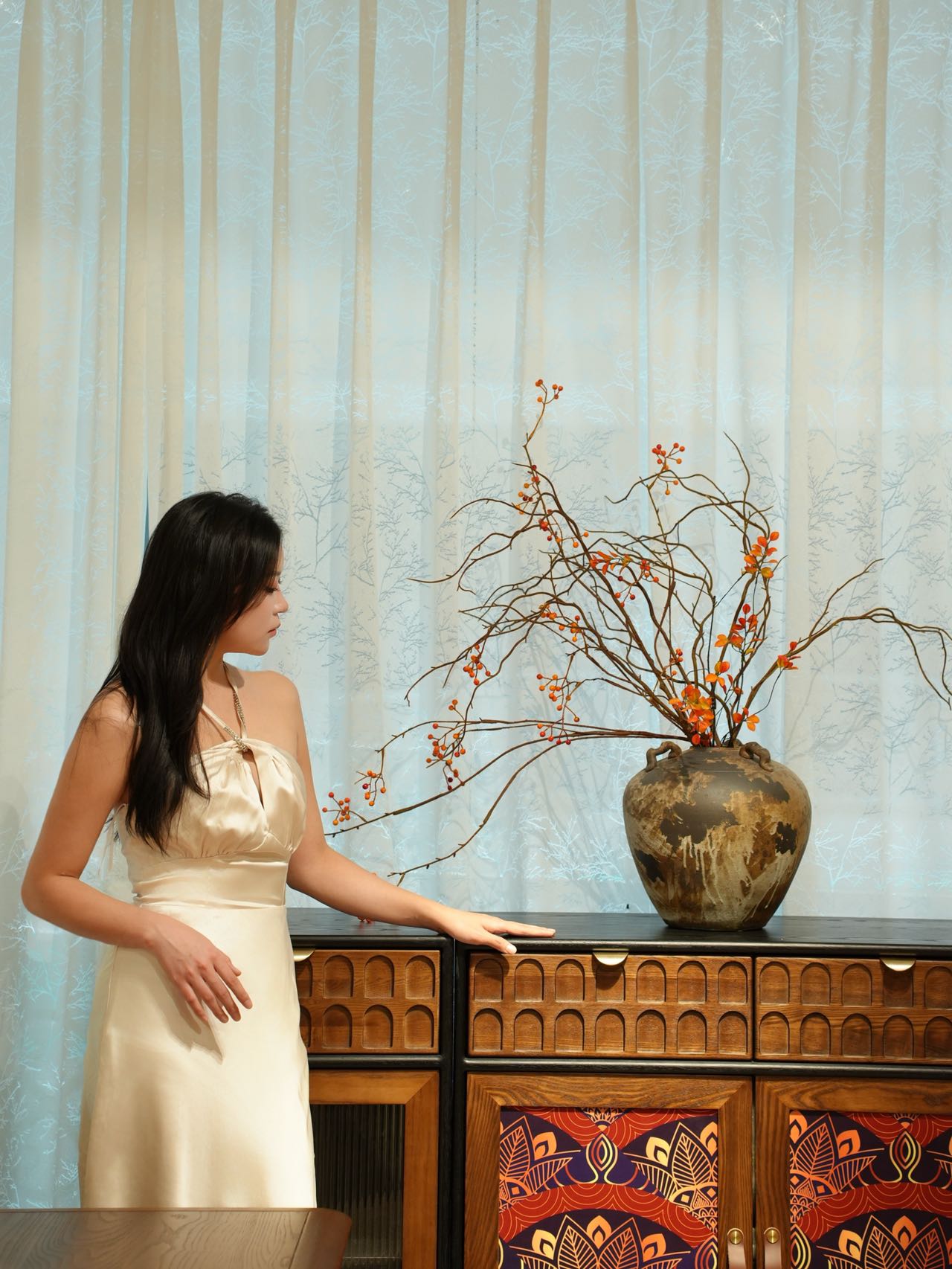
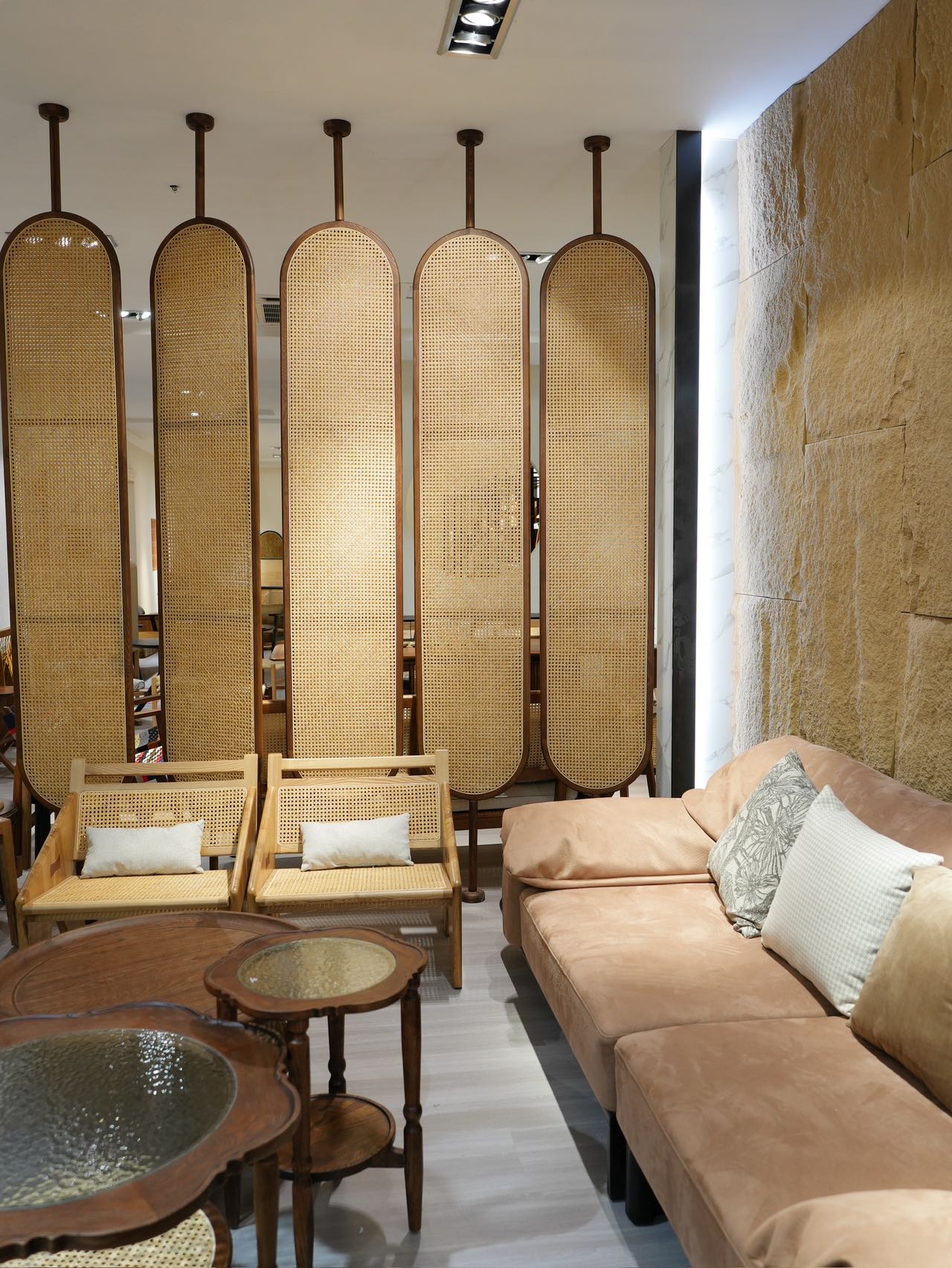
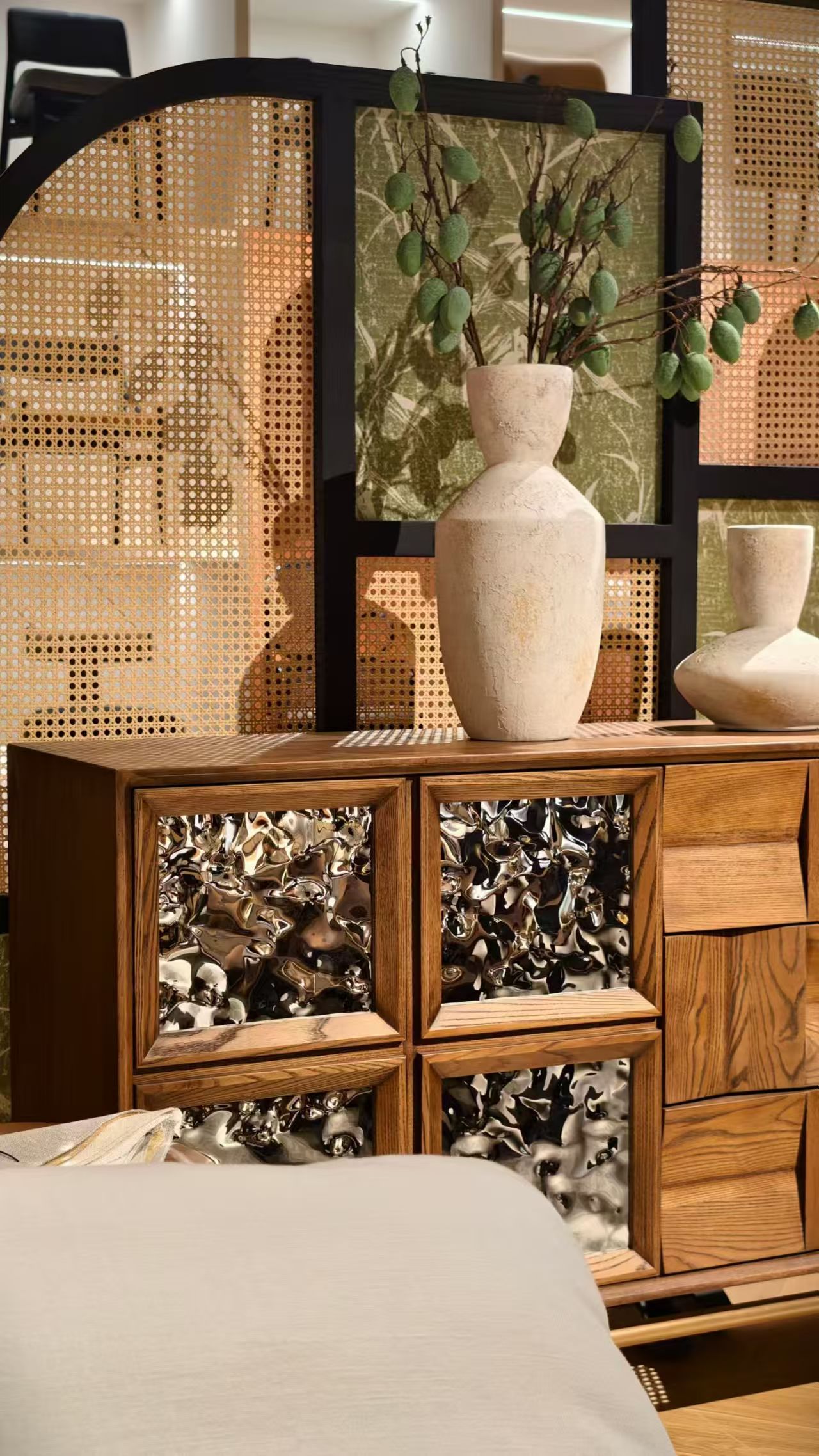
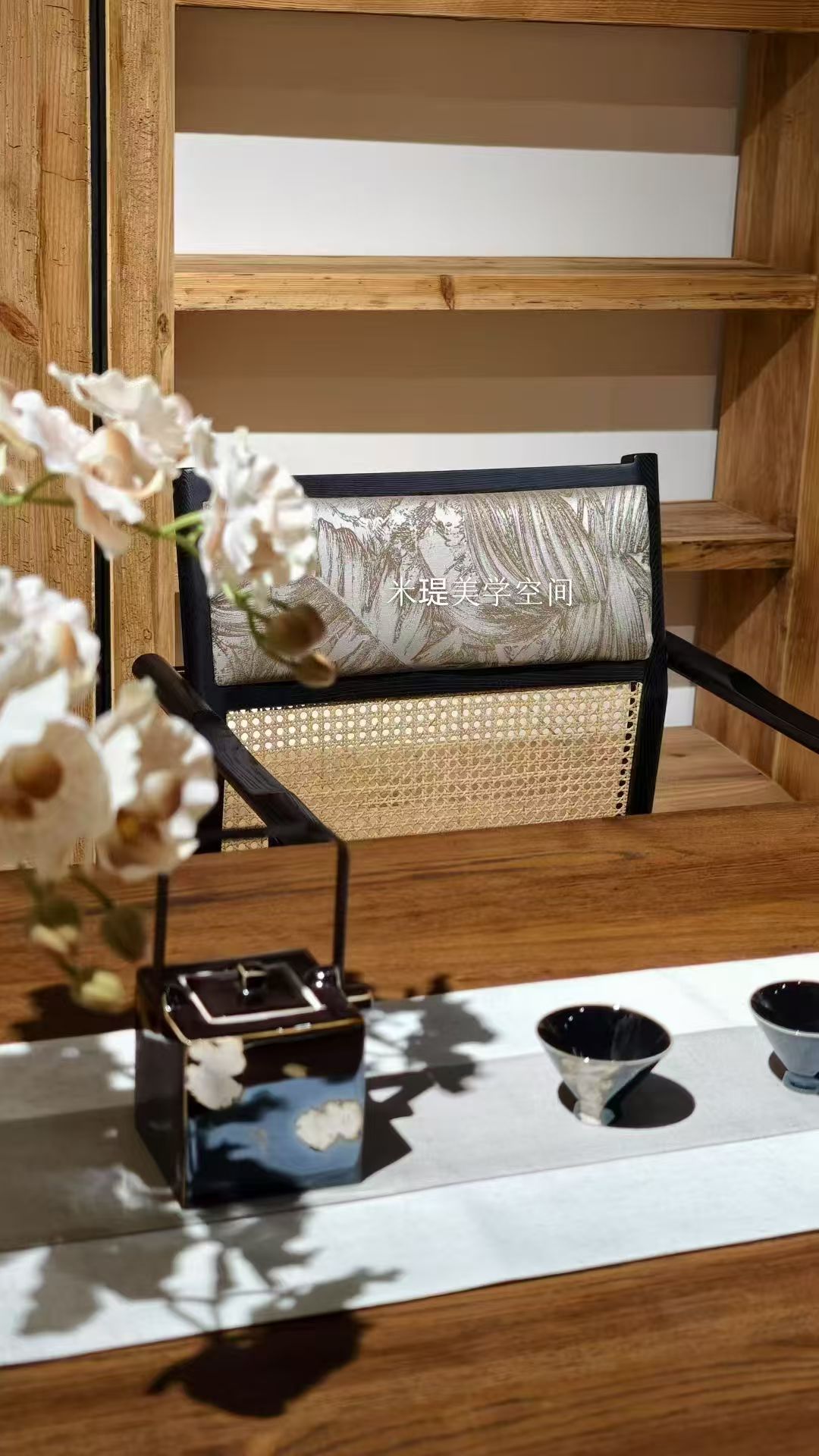
Products showcased from [Miyun Aesthetic Space]
Miyun Aesthetic Space centers on the core concept of “dialogue between tradition and modernity,” dedicated to creating a lifestyle aesthetic system that harmoniously blends Eastern charm with contemporary sensibilities. The space adheres to the principle of “material as soul, craftsmanship as bone,” preserving wood's original texture while using eco-friendly techniques to enhance its tactile quality. This approach conveys a philosophy of living in harmony with nature. In spatial planning, scientific layout merges with artistic expression to create environments that fulfill diverse lifestyle needs while embodying profound spiritual depth. Every detail reflects a deep understanding of quality living and its contemporary interpretation.